
The project context guides the analysis.
The same technique cannot answer every question. Explore how molecular tools can address challenges in environmental studies, conservation and research.
Mining
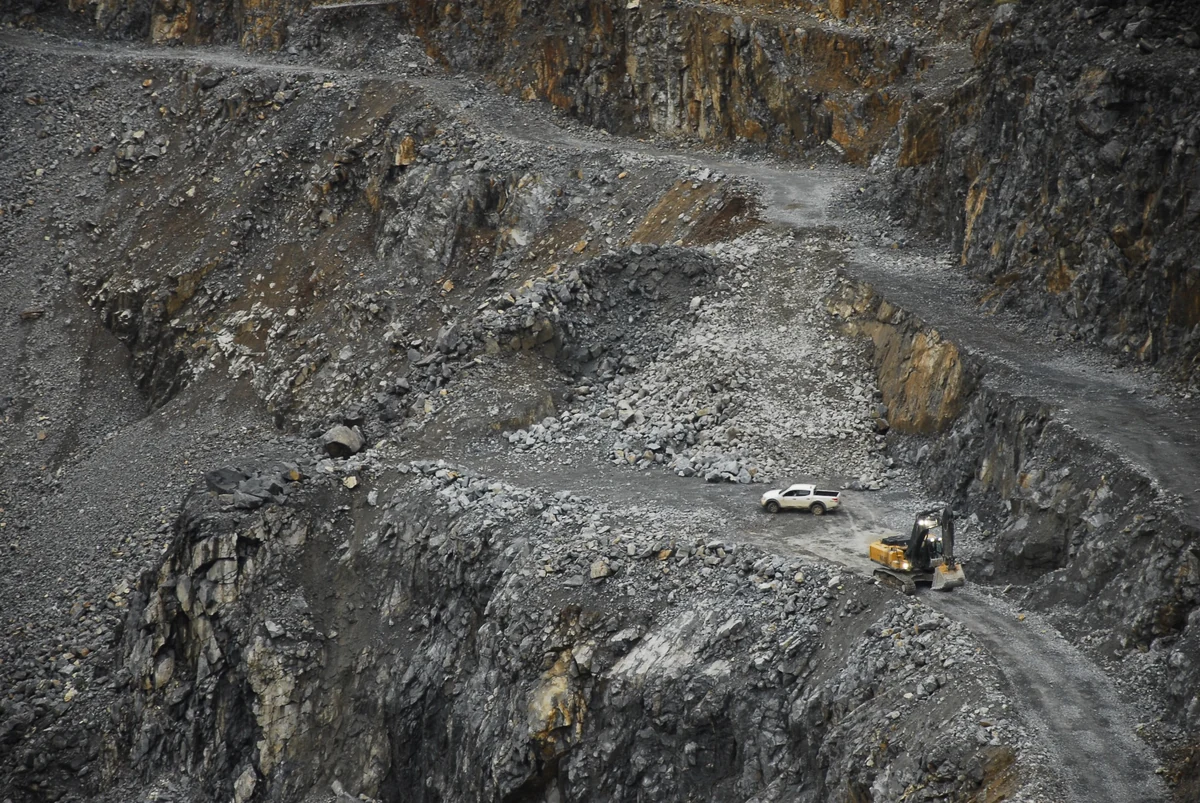
How can biodiversity information be supplemented in the study area?
Environmental studies and monitoring programs need to relate biodiversity information to the landscape and project stages. A molecular approach can add evidence to the available data.
The study design should consider the program's questions, the environments sampled and comparability across sampling campaigns. Molecular detection alone does not establish an impact or its cause.
Explore this context ↗Environmental consulting firms
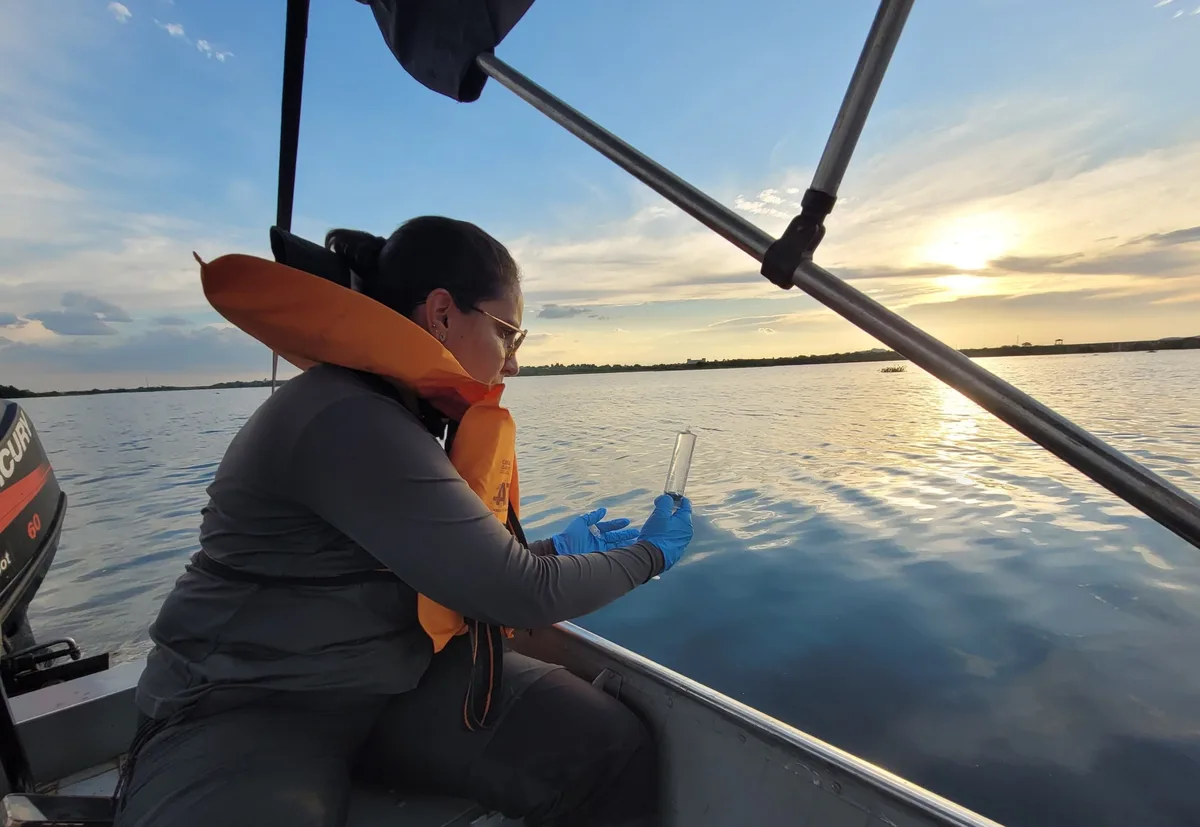
How can molecular analyses be integrated into the scope of a study?
Integration starts with planning: objectives, records, sample types, collection and interpretation need to connect with the other components of the study. This helps define the role of molecular information in the client deliverable.
MetaGen can discuss the suitability of the approach and analytical scope. The method should complement the evidence needed, without assuming that it replaces all surveys or meets the study requirements on its own.
Explore this context ↗Energy and infrastructure

How can biodiversity information be compared across locations and sampling campaigns?
Monitoring environments at different project stages requires compatible methods and effort. Molecular tools can help address questions about the composition of organisms detected in samples.
Interpretation needs to consider environmental conditions and the design of each sampling campaign. Differences in detections do not automatically represent changes in abundance or an effect of the development.
Explore this context ↗Conservation
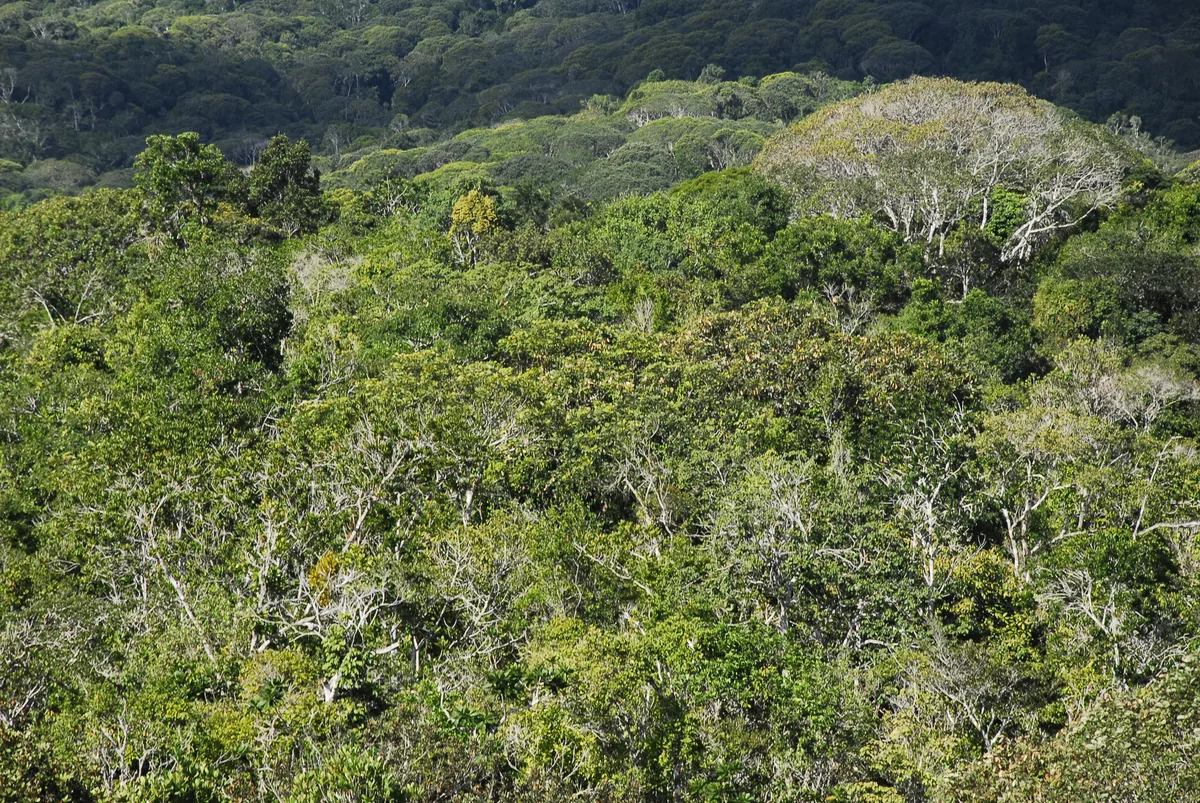
What evidence can support conservation planning?
Information on biodiversity and genetic diversity can inform discussions of priorities, monitoring and hypotheses about connectivity. The choice depends on the scale and the decision the study aims to support.
Environmental DNA and population genetics and genomics offer different perspectives. Their results need to be considered alongside ecological data and the management context; no single analysis defines a universal strategy.
Explore this context ↗Research
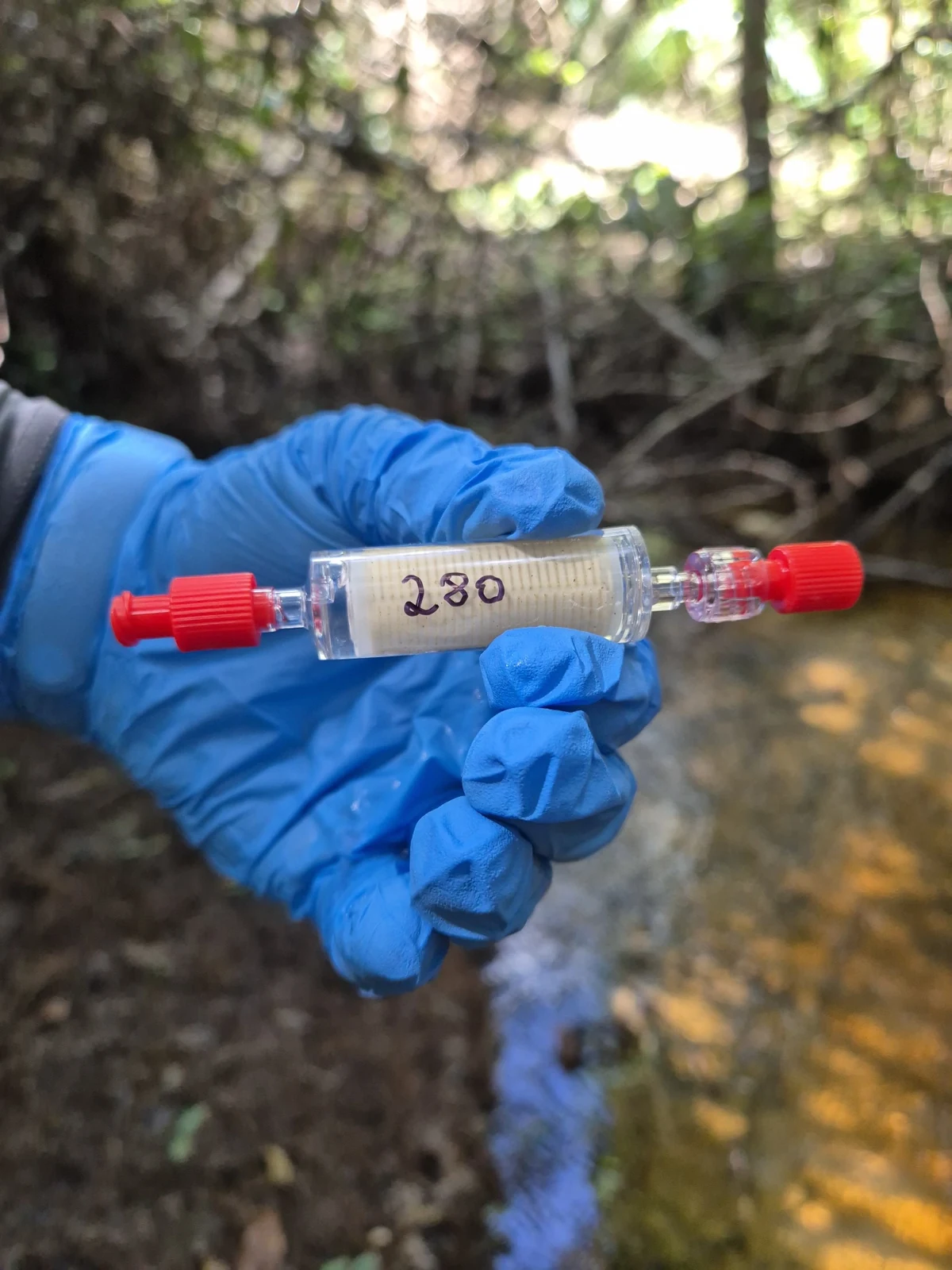
Which molecular approach can address the study hypothesis?
Research projects may require sample identification, investigation of mixtures or genetic comparisons between populations. The hypothesis guides sampling, markers and analyses.
The initial discussion should consider the available material, references and expected resolution. The scope also needs to make explicit which conclusions the data cannot support.
Explore this context ↗What decision does your study need to support?
Tell us about the project context, the available data and the biodiversity question. From there, we can discuss how molecular tools can contribute and define an appropriate scope.