Mining
Biodiversity analyses for environmental studies, monitoring and conservation actions.

Environmental DNA connects environmental samples with the investigation of organisms. MetaGen helps define the molecular approach and interpret results in the context of the study.
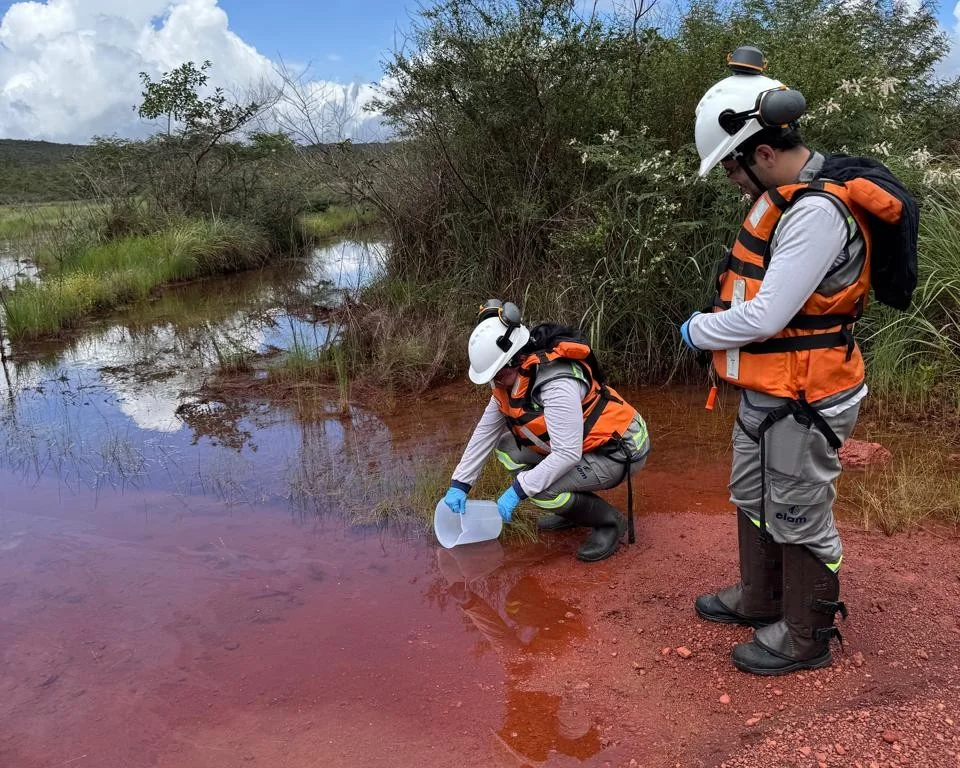
Organisms release genetic material into the environment. Analyzing this DNA allows evidence of their occurrence to be investigated without relying on directly observing or capturing each organism.
Environmental DNA is the material being investigated. Metabarcoding is one analytical approach: it uses DNA regions to study mixtures of organisms. The two terms are related, but they are not synonymous.
Understand the analytical process ↗Water, soil and sediments can contain environmental DNA. The feasibility of each combination of sample type, protocol and group of interest must be assessed before sampling.
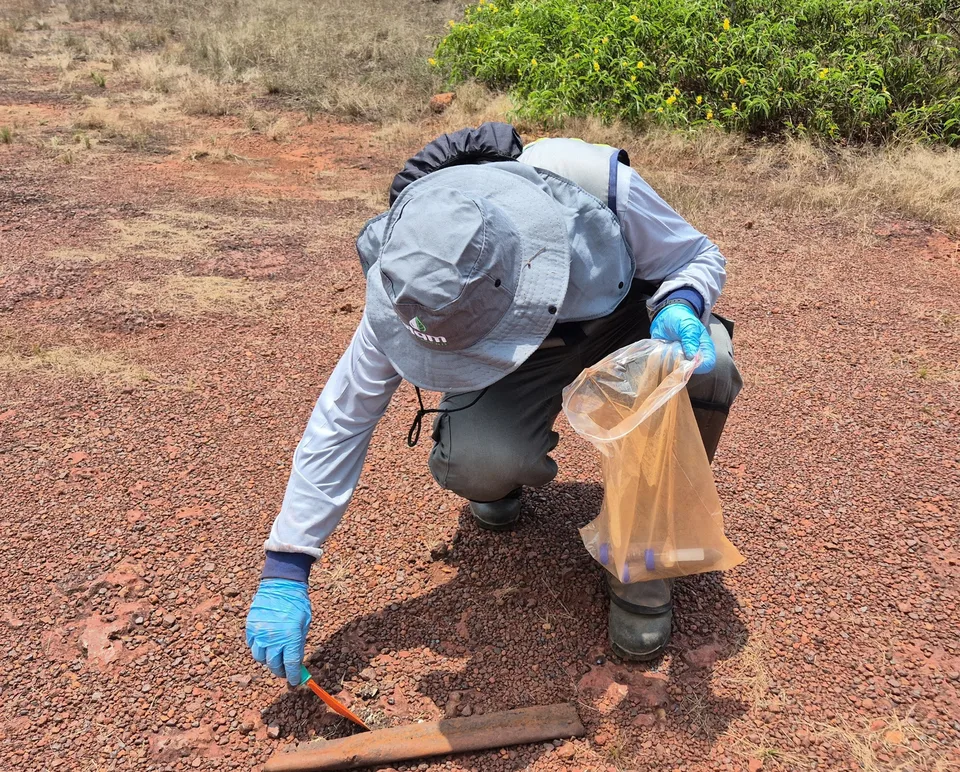
This list describes possible studies. It does not guarantee detection or represent results from MetaGen projects.
Define the objective, scale, sample types, groups of interest and sampling strategy.
Plan procedures, records and controls to reduce the risk of contamination and DNA loss.
Assess markers and procedures appropriate to the material and the question.
Process sequences and interpret taxonomic assignments in light of their limitations and the sampling context.
Biodiversity analyses for environmental studies, monitoring and conservation actions.
Molecular tools integrated into the planning and delivery of your studies.
Information for environmental studies and programs at different project stages.
Genetics applied to conservation, restoration and biodiversity monitoring.
From the scientific question to molecular analysis and bioinformatic processing of results.
Use in each context depends on how well the method fits the question and project requirements.
eDNA should be interpreted alongside the sampling design and other evidence from the study.
A technical discussion connects the study objective with the possibilities of molecular analysis.
We align the context, organisms of interest, planned sampling and interpretation needs. The proposal defines the steps, responsibilities and deliverables; the method is not selected before this discussion.
Not as a general rule. Molecular methods and conventional surveys provide different information and can complement one another. The choice depends on the question, environment and study requirements.
No. DNA may not have been collected, preserved or detected under the study conditions. Interpretation must consider sampling effort and the sensitivity of the approach.
The number of sequences is not a direct count of individuals. Inferences about abundance require specific design, calibration and validation; they are not an automatic outcome of metabarcoding.
Before sending samples, discuss the sample type, collection, preservation and storage history with MetaGen. These factors guide the feasibility assessment; sample suitability cannot be guaranteed without this review.
The scope depends on the sample, markers and available references. Not every sequence can be identified to species level. The groups of interest and expected taxonomic resolution should be discussed when defining the scope.
Tell us about the project context, environment and the question you need to answer. An initial conversation helps define the approach and scope.