
From hypothesis to analytical design.
Technical and scientific collaboration with researchers, universities and institutions to connect biological material, molecular approaches and interpretation of results.
What conclusions do the data need to support?
The study hypothesis guides which samples are needed, which resolution is relevant and how results will be analyzed. The availability of material alone does not determine the appropriate approach.
The initial discussion should make the intended comparisons and known limitations explicit. This helps assess the relationship between study design, resources and the scope of the conclusions.
Marker selection follows the question.
Identifying individual samples, investigating mixtures and comparing populations require different decisions. Taxonomic coverage, sample quality and reference databases inform the choice.
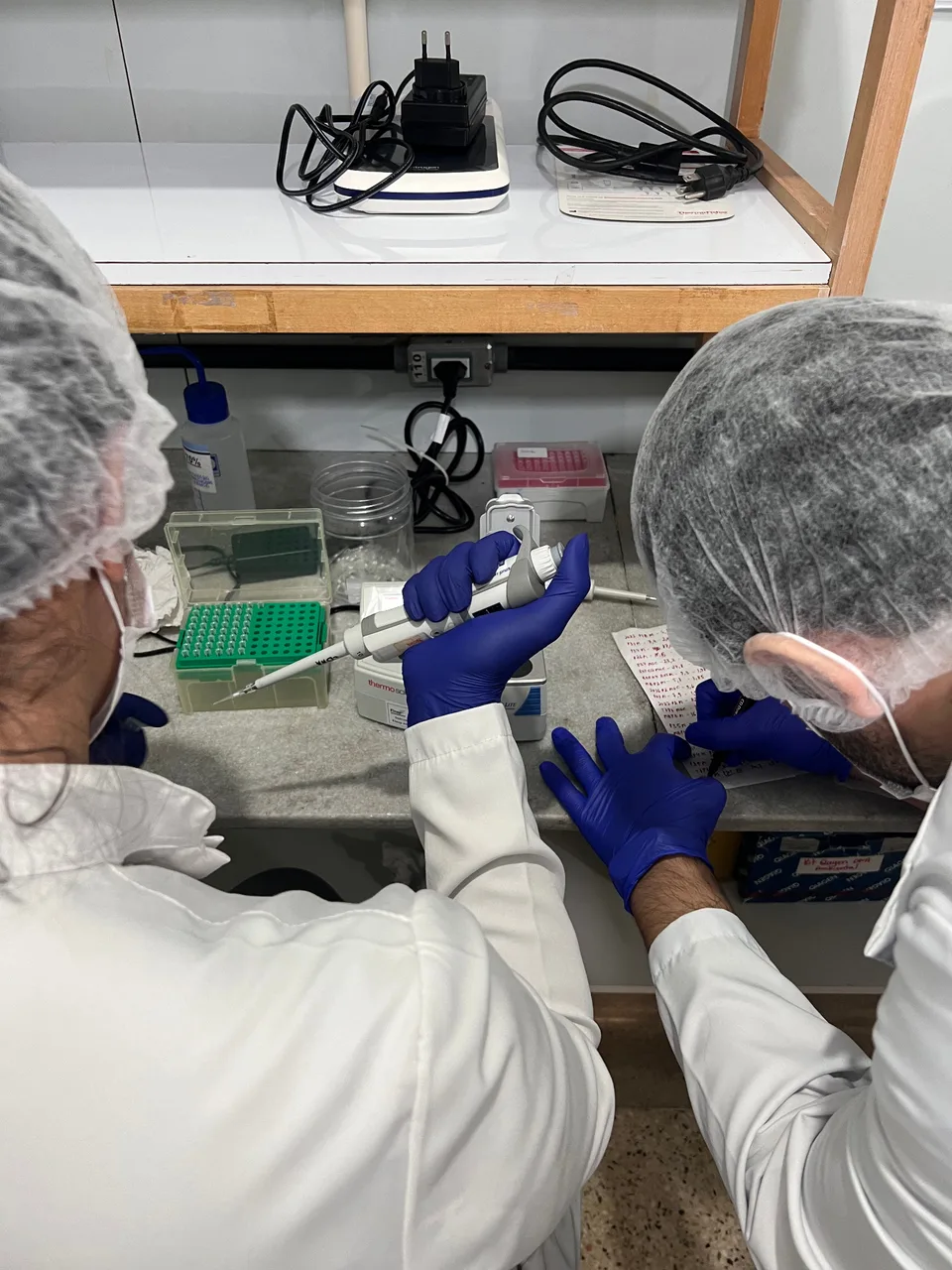
Planning laboratory processing considers sample preservation, controls and replication according to the approach. Suitability should be assessed before assuming that an analysis is feasible.
A coherent path from hypothesis to analysis.
DNA barcoding can support the identification of biological material; metabarcoding, the investigation of groups of organisms; and population genetics and genomics, questions about diversity and differentiation.
Bioinformatics integrates processing, quality control and interpretation. Filtering criteria, references and taxonomic assignment need to be documented so that the analytical process can be understood.
Organize results and make limitations explicit.
Sample identification, metadata and analytical decisions should accompany the results. Deliverable formats and available records are defined according to the scope.
Sampling, marker and reference limitations need to be considered when discussing the hypotheses. Collaboration does not imply authorship, publication or obtaining a specific result.
Develop the technical discussion together.
MetaGen can contribute to assessing the study design, defining the approach and connecting processing with interpretation, according to the scope agreed upon with the researchers.
To begin, share the hypothesis, available or planned samples, groups of interest and intended analyses. The conversation helps define possibilities and dependencies.
What hypothesis guides your next study?
Tell us about the project context, environment and the question you need to answer. An initial conversation helps define the approach and scope.