−73%
average decline in the size of monitored vertebrate populations worldwide between 1970 and 2020
WWF/ZSL — Living Planet Report 2024 / Living Planet Index 2024. External source ↗
We are a Brazilian company specializing in environmental genomics for biodiversity. We connect questions from environmental and research studies with the possibilities of molecular analysis.
Biodiversity is declining, yet decisions about it continue to be made using data that are scarce, outdated or impossible to audit.
MetaGen was created to generate quality data and information about Brazilian biodiversity, using traceable methods and results that withstand technical scrutiny, so that companies, consulting firms, environmental agencies and researchers can make evidence-based decisions.
There is a measurable loss of biodiversity. Decisions about it require robust data interpreted in context.
average decline in the size of monitored vertebrate populations worldwide between 1970 and 2020
WWF/ZSL — Living Planet Report 2024 / Living Planet Index 2024. External source ↗
average decline in the size of monitored populations in Latin America and the Caribbean between 1970 and 2020
average decline in monitored freshwater populations between 1970 and 2020
Brazilian fauna taxa — species or subspecies — on the Official National List of Threatened Fauna Species
Ministério do Meio Ambiente e Mudança do Clima — MMA Ordinance No. 1,704 of June 16, 2026. Annex I.
The three percentages represent average changes in the size of monitored populations, not the proportion of species that have gone extinct. The 790 records refer to Annex I; the separate list of extinct species in Annex II is not included in this number.
Sample traceability from the field to the laboratory.
Negative controls and explicit criteria for assessing contamination.
Reference databases curated and assessed according to the groups under investigation.
Methods, criteria and limitations transparently described in each analysis.
Data that cannot be audited cannot support a decision.
Environmental genomics for biodiversity is at the center of our work: environmental DNA (eDNA) and metabarcoding, qPCR, DNA barcoding, population genetics and genomics, and bioinformatics.
The work brings together different perspectives: genetic analysis needs to consider the organisms, the environments and the question to be answered.
Defines what the molecule can and cannot answer: marker selection, analytical design, and interpretation of results in light of genetic variation and detection limits. Genetics establishes how far a sequence can support a conclusion.
Assesses whether a name assigned through a sequence corresponds to a biologically plausible organism for the region: it considers the expected fauna, gaps in reference databases and groups that require taxonomic confirmation. It prevents a database match from being interpreted without biological context.
Places each result in its environmental and sampling design context: seasonality, hydrology, connectivity and sampling effort. A species not detected during a sampling campaign may reflect true absence or limitations related to sampling timing and design; ecological interpretation helps distinguish these possibilities.
Transforms large volumes of sequences into traceable results: filtering, sequence curation, contamination control and taxonomic assignment using explicit criteria. Recording steps and parameters allows processing to be audited and reproduced.
None of these perspectives is sufficient on its own. A MetaGen result is examined through all four: genetics defines what the sequence supports, zoology assesses whether the identification makes biological sense, ecology places the result in its environmental and sampling design context, and bioinformatics makes processing traceable and verifiable. This integration strengthens interpretation.
Explore our solutions ↗Generating information about biodiversity can support different objectives of the 2030 Agenda. MetaGen's work relates particularly to goals linked to ecosystem conservation, biodiversity monitoring, and scientific and technological development.
Monitoring aquatic ecosystems and generating information about biodiversity in rivers, reservoirs and other water-related environments.
Molecular information for studies, monitoring and conservation of biodiversity and terrestrial ecosystems.
Applications focused on understanding and monitoring biodiversity in marine and coastal environments.
Applying molecular tools, genomics and bioinformatics to expand the capacity to generate and interpret biodiversity data.
The MetaGen team brings together experience in genetics, zoology, ecology, bioinformatics, fieldwork and laboratory work.
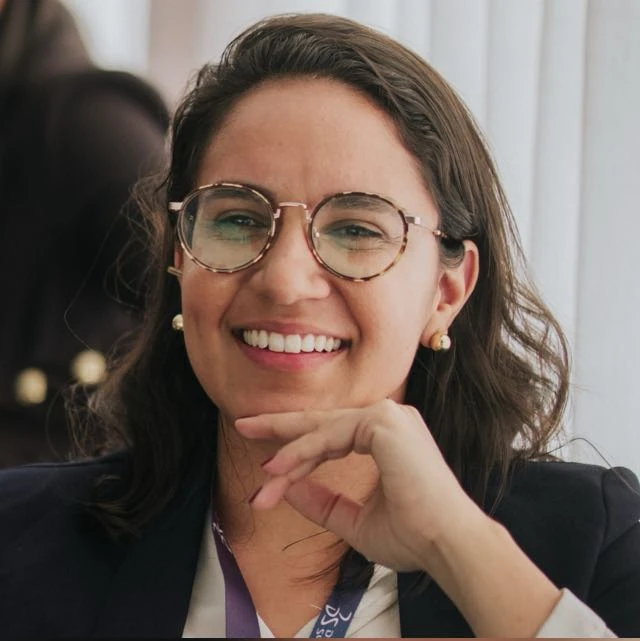
CEO
Biologist with a degree from PUC Minas, a master's degree in Vertebrate Biology from PUC Minas and a PhD in Genetics from UFMG. She works in molecular ecology and genetics applied to conservation, with experience in environmental DNA, metabarcoding and next-generation sequencing for biodiversity studies. She conducted postdoctoral research at ICMBio and Instituto Tecnológico Vale – Desenvolvimento Sustentável (ITV-DS), focusing on molecular research applied to biodiversity conservation. She is currently a collaborating researcher at Fundação Biominas. She is the founder of MetaGen Soluções Moleculares.
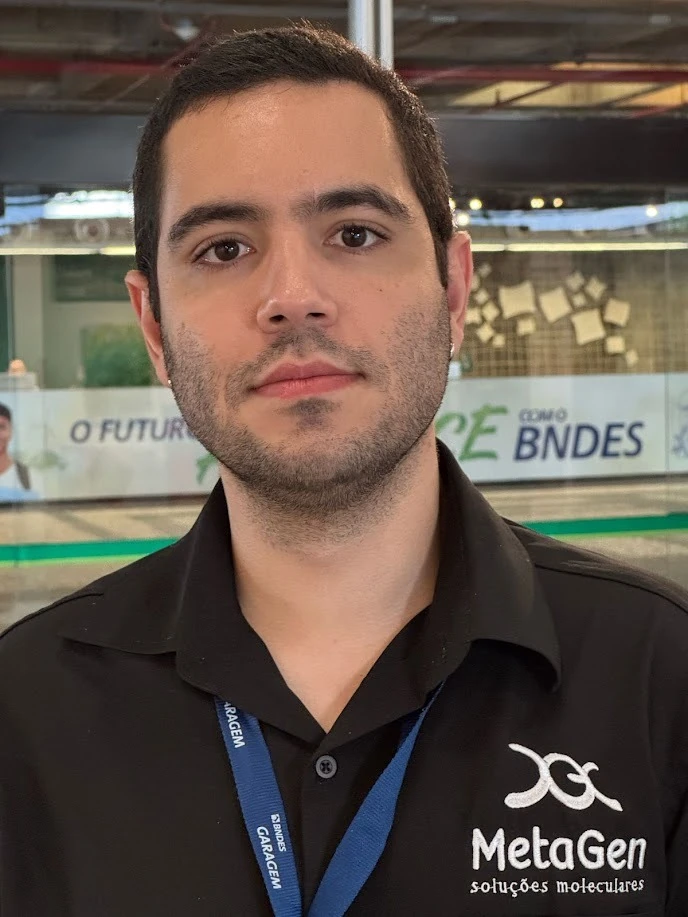
COO
Biologist with a degree from Fundação Universidade de Itaúna, a master's degree in Vertebrate Biology from PUC Minas and a PhD in Genetics from UFMG. He has experience in conservation genetics, population genetics, molecular taxonomy, biological invasions and DNA metabarcoding. During his PhD, he conducted research on metabarcoding of fish eggs and larvae, focusing on ichthyoplankton identification and the study of fish reproductive dynamics. He is a co-founder and managing partner of MetaGen Soluções Moleculares.
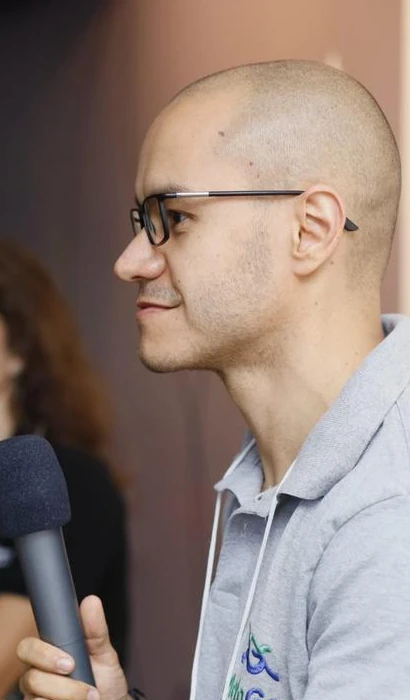
Director of Logistics
Biologist with a master's degree in Vertebrate Zoology from PUC Minas. During his master's studies, he conducted research on genetics applied to the conservation of the broad-snouted caiman, using a phylogeographic approach and focusing on its implications for the conservation of the species. He has worked in environmental consulting since 2010, with experience in fauna studies and a focus on herpetofauna. At MetaGen, he brings his experience in biodiversity and fieldwork to project planning and logistics.
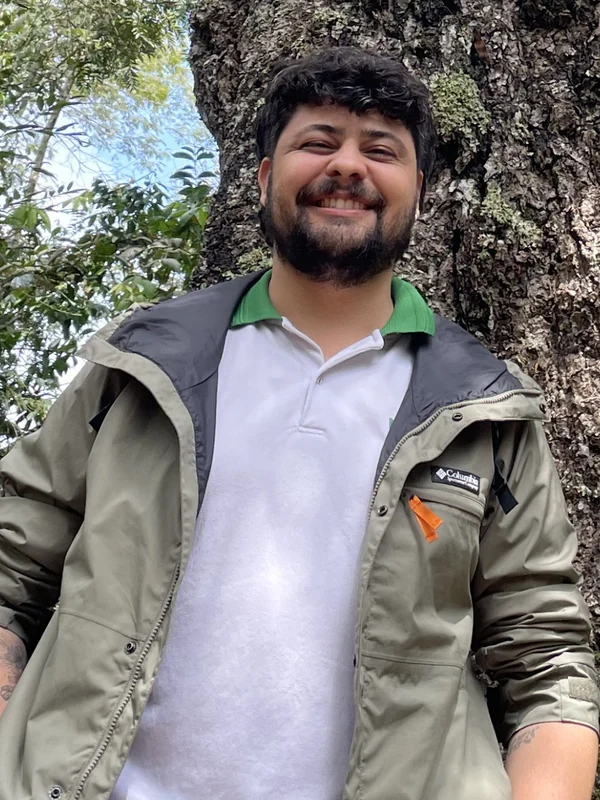
Laboratory Technician
Biologist with a degree from PUC Minas and a master's degree in Biodiversity and Environment from PUC Minas. He conducted research on environmental DNA and metabarcoding applied to fish biodiversity monitoring, including the development of markers and reference databases for molecular analyses. He has experience in laboratory work, molecular diagnostics, DNA and RNA extraction, and quality control of biological samples. At MetaGen, he works as a laboratory technician.
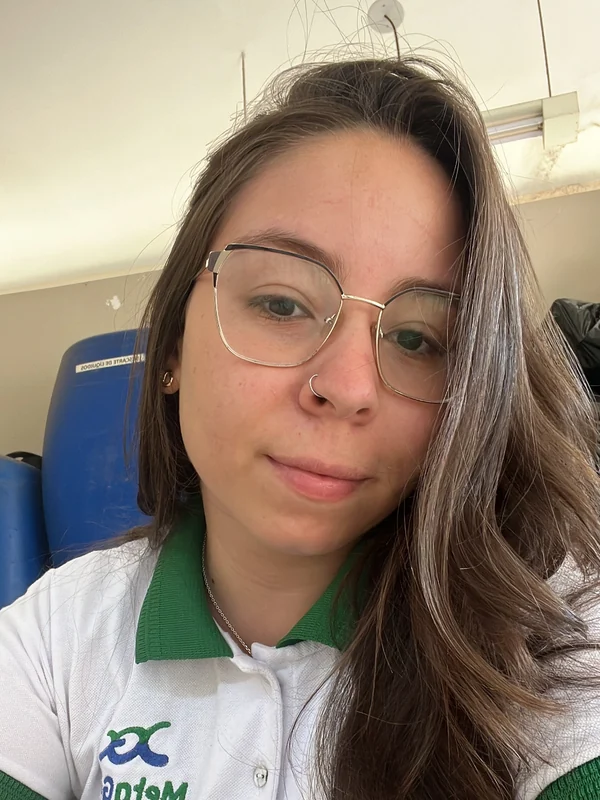
Intern
Biologist with a degree from PUC Minas and a master's student in Biodiversity and Environment at the same institution. She conducts research on environmental DNA for biodiversity monitoring, focusing on filter efficiency for eDNA recovery, and has experience in molecular biology, molecular diagnostics and laboratory work. She has also participated in research at UFMG, FUNED and Fiocruz Minas, and in projects monitoring fish biodiversity in the Rio Doce using eDNA. At MetaGen, she works as an intern.
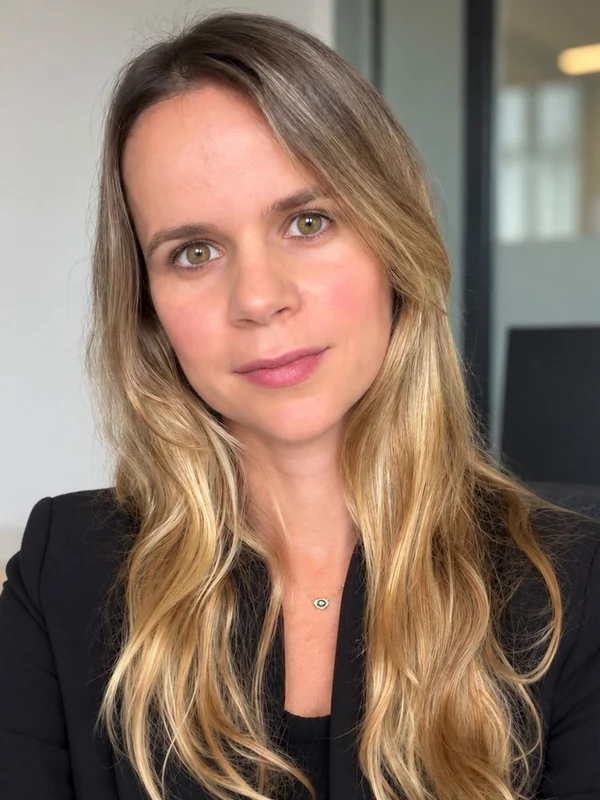
Advisory Board Member
Biologist with a degree from PUC Minas, a master's degree in Vertebrate Zoology from PUC Minas and a PhD in Environment and Life Sciences from the University of Salford in the United Kingdom. She conducted postdoctoral research at Faculdade de Ciências da Universidade de Lisboa and is currently a professor at the University of Salford, where she coordinates the Environmental Genomics Laboratory. She conducts research in molecular ecology, environmental DNA, metabarcoding, metagenomics and next-generation sequencing applied to the study and conservation of biodiversity. At MetaGen, she serves on the Advisory Board.
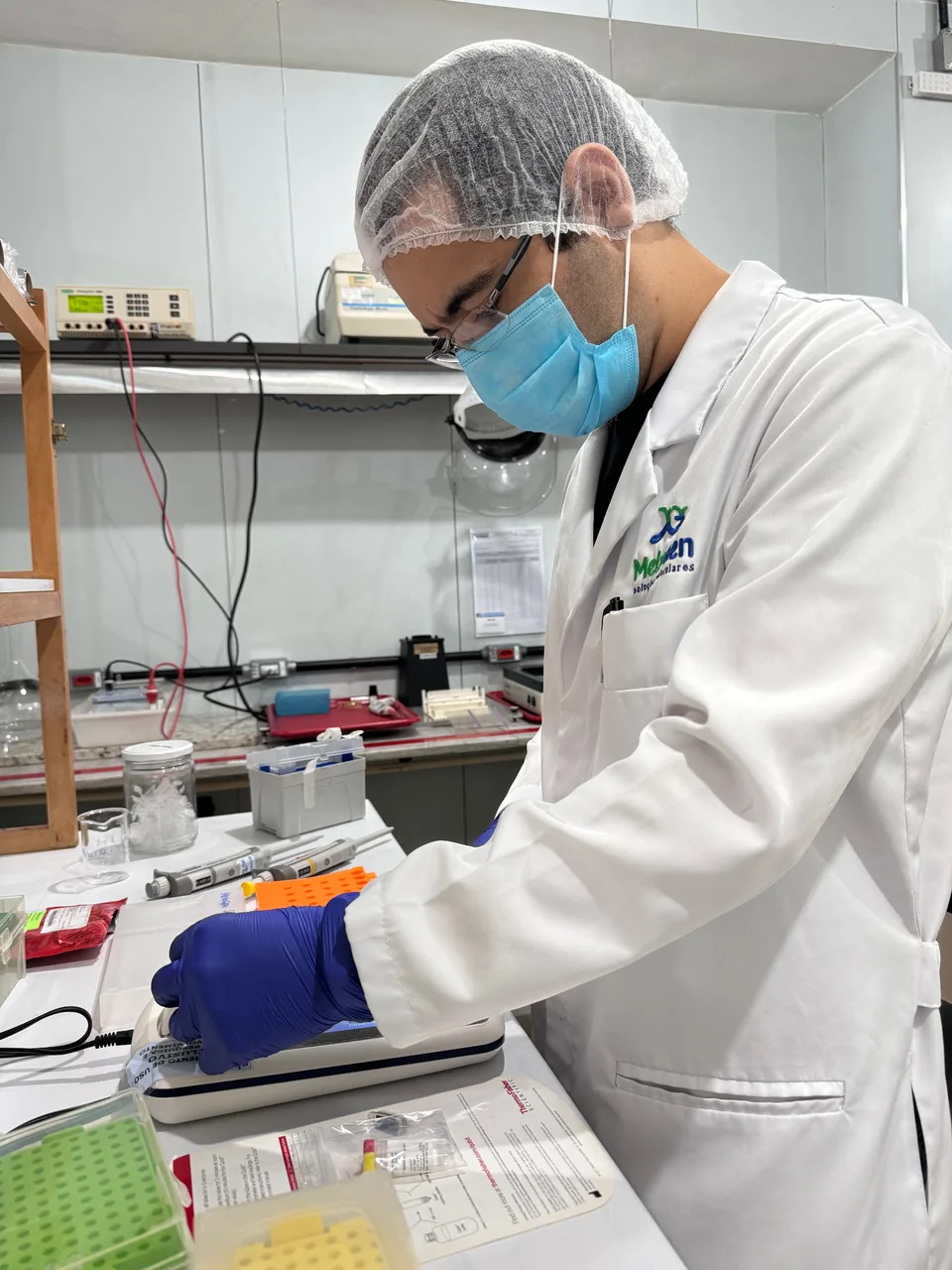
From sample to result, laboratory decisions need to remain connected to the study design.
The scope defines the procedures and deliverables. Interpretation considers the quality of the material received, the approach selected and the limitations of the information produced.
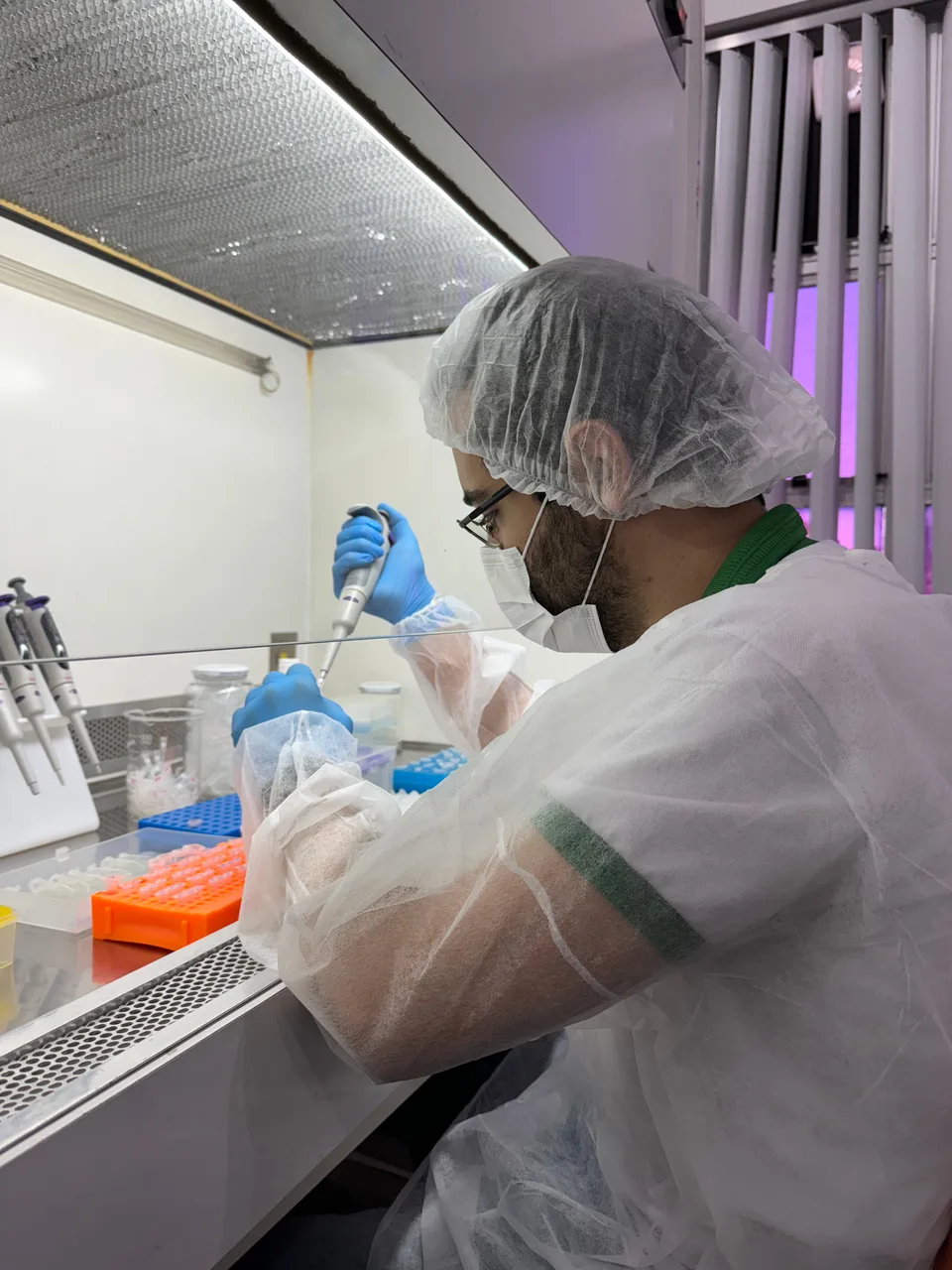
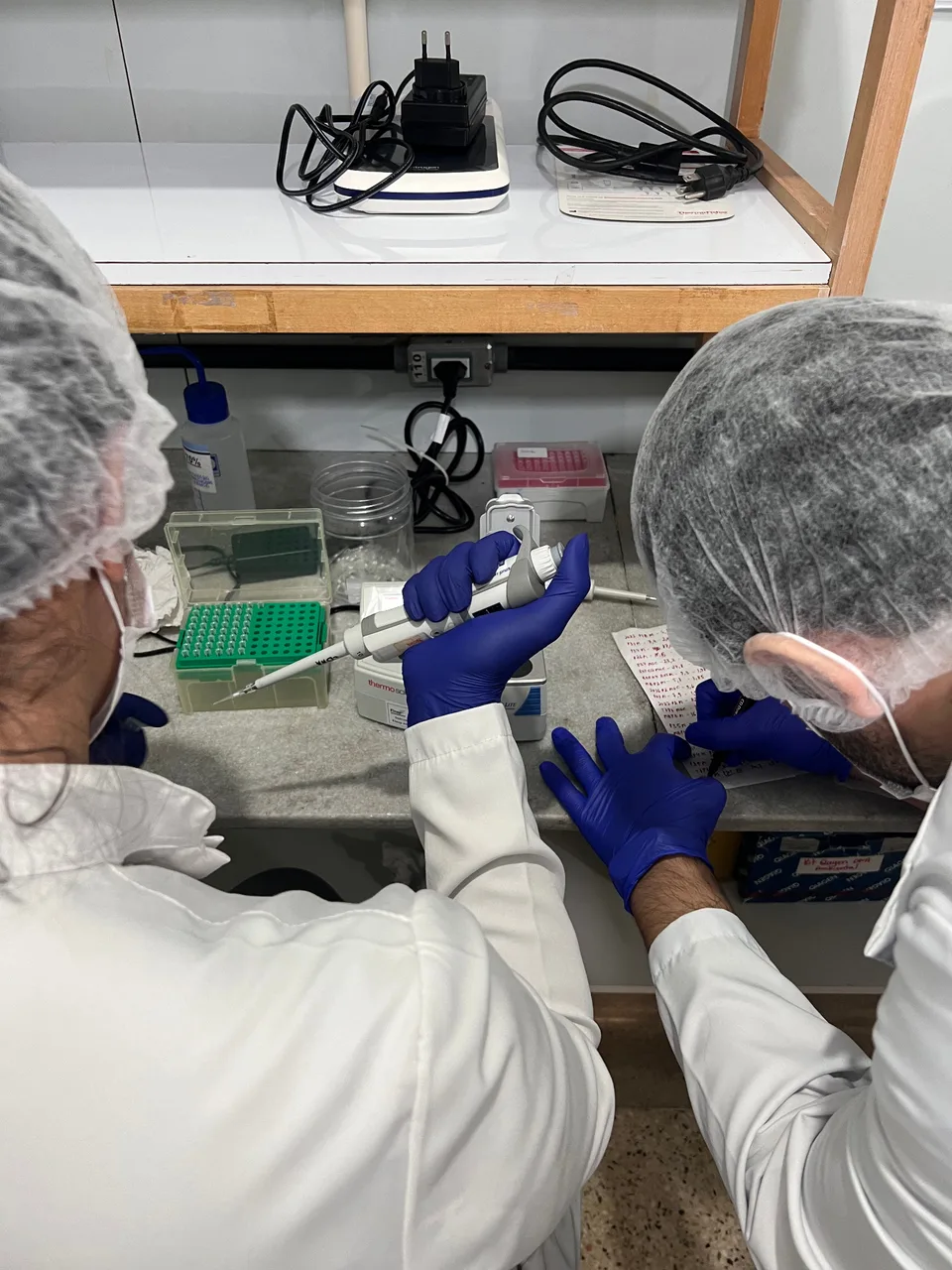
Actual photographs from the MetaGen collection.
Tell us about the project context, environment and the question you need to answer. An initial conversation helps define the approach and scope.